Saving the Stick Shift: Why Fewer Young Drivers Know Manual — And Why It Still Matters
From Doug’s Desk
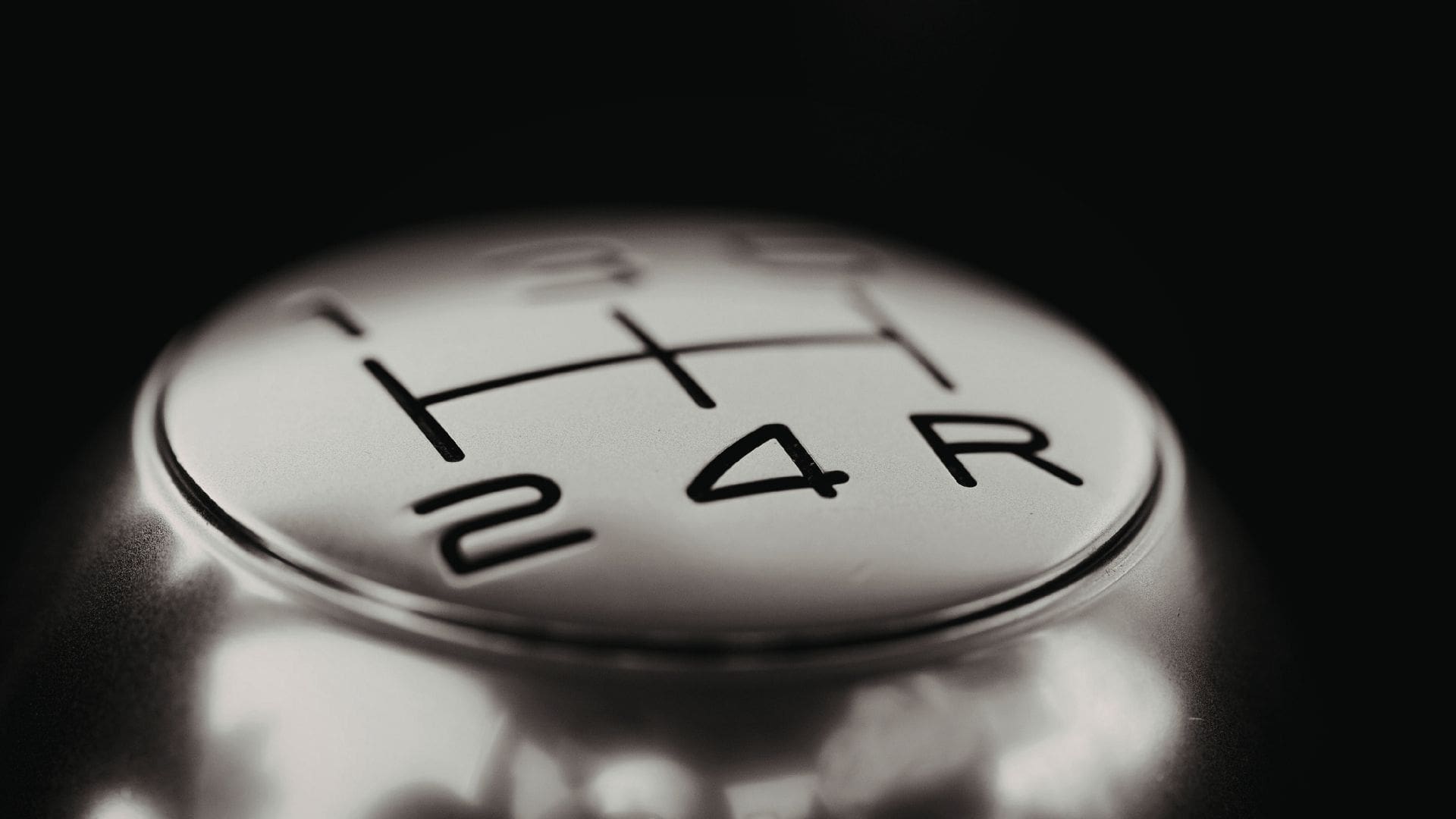
If you’ve spent any time around car shows, cruise nights, or even walking our own museum floor, you may have noticed a common theme: many younger visitors are fascinated by manual transmissions — yet very few know how to drive one. The classic “three-on-the-tree” or four-speed floor shifter that was once a rite of passage has become something of a novelty. So why has the younger generation largely missed out on learning to drive a manual transmission — and why does it still matter?
The simplest reason is availability. Manual transmissions are no longer common in today’s marketplace. The vast majority of new vehicles sold in the United States are automatics, and when manuals aren’t sitting on dealership lots or parked in the family driveway, young drivers rarely have the opportunity to learn. Driver’s education programs have also evolved. Most now use automatic vehicles exclusively, with limited time focused on helping students become licensed efficiently. There is little room left in the curriculum for teaching clutch control and gear selection. Add to that a culture centered on convenience — push-button starts, adaptive cruise control, and seamless automatic shifting — and it’s easy to see why manuals can seem unnecessary or even intimidating. For those navigating stop-and-go traffic and urban commuting, operating a clutch may feel like an added complication rather than a valuable skill.
Despite this decline, there are compelling reasons to keep the manual tradition alive. Driving a manual transmission creates a unique bond between driver and machine. You’re not simply steering; you’re actively managing power, timing, and momentum. That engagement is part of the joy of driving for many enthusiasts. Learning to drive a manual also builds mechanical awareness. It helps drivers better understand how engines produce power and how transmissions transfer that power to the wheels, fostering a deeper appreciation for automotive engineering — something we celebrate every day in our museum.
Manual transmissions are also woven into the identity of many of history’s most iconic vehicles. From classic muscle cars to European sports cars, the manual gearbox was integral to their design and driving experience. To truly experience these vehicles as they were intended, knowing how to operate a stick shift makes all the difference. Beyond heritage, it’s also a practical skill. Whether borrowing a friend’s vehicle, traveling abroad where manuals are still common, or pursuing a career in the automotive field, the ability to drive a manual provides flexibility and confidence.
In an era when vehicles are increasingly automated — and even capable of driving themselves — the manual transmission stands as a reminder that driving is a skill. It requires coordination, timing, attentiveness, and practice. For young drivers, mastering a manual builds both competence and confidence behind the wheel.
While the automotive industry continues to evolve, there is still room for tradition. Car clubs, parents, grandparents, and automotive organizations all have an opportunity to pass this skill on to the next generation. Teaching someone to drive a manual isn’t just about shifting gears; it’s about sharing stories, experiences, and a piece of automotive culture. It’s about hearing the engine note change as you upshift at just the right moment and understanding the rhythm of the road.
The stick shift may no longer be standard equipment, but the skill — and the appreciation that comes with it — should never become a lost art. After all, some experiences are simply too good to leave in neutral.